BLOG POST

Point-of-care messaging brings pediatric health education into the moments that matter most: when families are already thinking about their child’s care.
I spent most of my high school and college years surrounded by kids—babysitting, carpooling and even nannying for a while. “How hard can parenting be?” I thought. Then my son arrived in 2017, and all that confidence disappeared overnight. Suddenly, I was sending late-night messages on the patient portal and leaving long voicemails for the pediatrician with a running list of “quick questions” after an appointment.
It didn’t matter how many children I had cared for before. Having my own child changed everything. Just when you master one phase—sleep schedules, potty training, school readiness—something new comes along to test your confidence all over again. Parenthood is a constant reminder that we’re all learning as we go.
“One thing I used to tell first-time nervous parents when they came in with their newborns is that my first week at home with my first was the most terrifying week of my life—and I’m a pediatrician! I think this just underscores how hard it is to be a parent,” says Dr. Christina Suh, pediatrician and Director of Clinical Content at Phreesia.
That’s why messaging about pediatric health, particularly point-of-care education, matters so much. Parents and caregivers genuinely want to do what’s best for their kids, but the flood of information, the daily demands of family life and the reality of time constraints often get in the way. Even the most confident parents and caregivers can leave an appointment unsure about what comes next or unclear on what they just heard from the provider.
Delivering trusted, relevant information at the moments families are already thinking about their child’s health helps bridge the gap between what happens in the exam room and what happens at home. It reinforces provider guidance, improves understanding and builds confidence, all in real time.
Parents and caregivers are the gatekeepers of their children’s health
Parents and caregivers are the primary advocates and decision makers for their children’s health. They decide when kids receive vaccinations, screenings and check ups. Their understanding, confidence and engagement directly influence early detection, adherence and long-term outcomes.
But even the most dedicated parents can struggle to access, process and act on information amid the chaos of daily life.
Understanding the daily reality of parents and caregivers
Mornings start early for parents and caregivers, and they rarely go as planned. There are shoes to find, lunches to pack, drop offs to make and a workday waiting on the other side. By the time evening arrives, there’s little room left to think about anything else.
Even the most organized parents can feel stretched thin. Preventive healthcare often competes with more immediate concerns. And when parents do try to find answers, they’re met with an endless feed of information from social media, friends and online forums—some accurate, much of it not.
“As a working mom of two, I know firsthand how every day is a balancing act, between work, school, activities and the endless stream of decisions parents have to make,” says Kelsey Pratt, Director of Market Development at Phreesia. “It’s easy to feel overwhelmed by advice and information coming from every direction.”
Within that reality, it’s easy to understand why even the most engaged parents and caregivers miss opportunities for early detection and prevention. They are:
- Overwhelmed: Parents are inundated with advice from providers, peers and the internet, and they don’t always know which information to prioritize.
- Unaware: Parents don’t know what they don’t know. Key recommendations, like developmental screenings, dental care or early allergen exposure, aren’t always top of mind.
- Protective: Parents want to make the right decisions, and they look for reassurance from trusted sources before acting.
- Time constrained: Between work and family obligations, few have time to research and sift through guidance to decide which of the conflicting evidence they receive to follow.
To add to the barriers parents and caregivers face when making informed decisions, pediatricians—who are parents’ most trusted source of guidance and information—face their own set of challenges, making this dynamic even more complex.
Supporting providers in balancing care and communication
For pediatricians, every visit is a race against the clock. In a typical 15- to 20-minute wellness visit, pediatricians must cover vaccinations, screenings, developmental milestones and answer any questions from parents and caregivers.
“In every wellness visit, we’re trying to cover an incredible amount, from preventive screenings to growth milestones to the questions parents bring in,” Dr. Suh says. “Even with time constraints, our goal is always the same: for every family to leave feeling heard, supported and confident about their child’s health.”
Meanwhile, parents and caregivers are often multitasking—comforting a child, listening to instructions or mentally adding “stop by the pharmacy” to their to-do list. It’s no wonder that so much vital information gets lost between the exam room and the car ride home.
These overlapping challenges—parents eager to learn but overwhelmed and providers eager to teach but limited on time—point to a clear opportunity: tools that extend education beyond the encounter and outside of the exam room, bridging the communication gap in real, practical ways.
That’s where point-of-care messaging comes in.
Bridging the pediatric knowledge gap with point-of-care education
Point-of-care messaging brings pediatric health education into the moments that matter most: when families are already thinking about their child’s care. It’s digital, personalized content delivered at key touchpoints, such as during check in, sitting in the waiting room or immediately following a visit.
Unlike static brochures or general online searches, digital point-of-care education aligns with the provider’s recommendations and is personalized to the child’s unique needs. It meets families with the right information at exactly the right time, and rather than adding to a provider’s workload, it enhances and extends their communication by:
- Focusing the conversation: Point-of-care messaging helps providers and parents zero in on what’s most relevant to the child’s needs, whether it’s developmental milestones, nutrition guidance or advice on behavioral health.
- Building on trusted relationships: Parents and caregivers view their child’s pediatrician as one of the most credible sources of information. When educational content is delivered at the provider’s office or in the context of an appointment, it carries weight, helping families absorb and act on guidance long after the visit ends.
- Creating space for reflection: Parents and caregivers are in the right place to request more information after seeing educational content. Then, they can engage with it at their own pace, when they’re most ready to process and act on it.
“Reliable information is essential, but finding it in the middle of everyday life isn’t always easy,” Pratt says. “Point-of-care education meets families where they are, delivering guidance that’s timely, relevant and aligned with what their child needs most. When parents and caregivers feel informed and supported, they’re more confident in the choices they make for their children.”
When point-of-care education is done well, the outcome is clear: better-informed parents and caregivers, stronger adherence to preventive care, and a more trusting relationship between families and providers.
Sesame Workshop: Making health education engaging and trustworthy
Trust is at the heart of every pediatric interaction. Parents and caregivers want information that’s not only accurate, but also comforting and easy to understand, especially when it touches on sensitive topics like emotional or behavioral health. Pediatricians and other providers share this priority; they want to ensure that any content shown to families is based on evidence, trustworthy and reinforces the guidance they provide in the exam room.
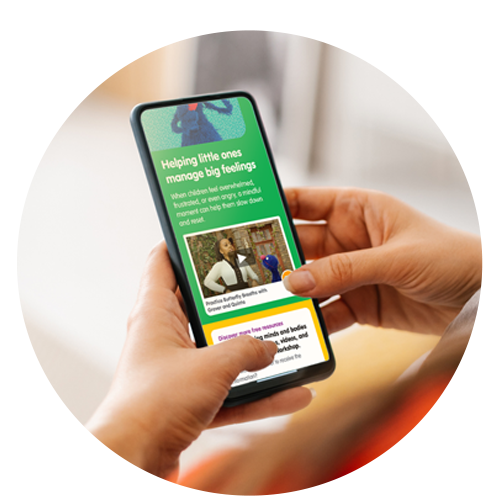
That’s why Phreesia’s collaboration with Sesame Workshop is such a powerful model for pediatric engagement. Each organization brings unique strengths: Phreesia’s expertise lies in delivering personalized health content at the point of care, while Sesame Workshop excels at crafting age-appropriate, research-driven lessons that resonate with children and families. Together, we combine these capabilities to meet families where they already feel most supported—their pediatrician’s office.
Over the next five years, this collaboration will come to life through joint campaigns on PatientConnect, reaching millions of parents and caregivers as they check in for their children’s medical appointments. These campaigns will feature beloved Sesame Street characters—Elmo, Grover, Big Bird, Abby Cadabby and others—sharing evidence-based messages about preventive care, routine check ups and emotional wellbeing. By turning wait time into learning time, we’re creating a moment of discovery that helps families feel informed and reassured before they even step into the exam room.
Helping parents and caregivers feel confident so kids can thrive
Parents and caregivers play an essential role in their child’s health journey, but they can’t—and shouldn’t—do it alone. Between daily responsibilities, endless advice and limited time with providers, even the most dedicated families need support.
Point-of-care education is the bedrock of that support. It empowers parents and caregivers to understand, trust and act on guidance that supports their child’s wellbeing and development. At the same time, it helps providers reinforce preventive care in ways that are personal, consistent and aligned with each family’s needs.
Interested in seeing how Phreesia can help your organization deliver personalized, evidence-based point-of-care education that supports families and providers alike? Request a demo to discover how our solutions can strengthen patient engagement and empower confident, informed care decisions.